|
Post Tubal Syndrome (PTS) or (PTLS) aka Post Sterilization Syndrome (PSS) are the negative physical and psychological effects that manifest after a woman undergoes sterilization by tubal ligation or by other means such as having a medical device placed.
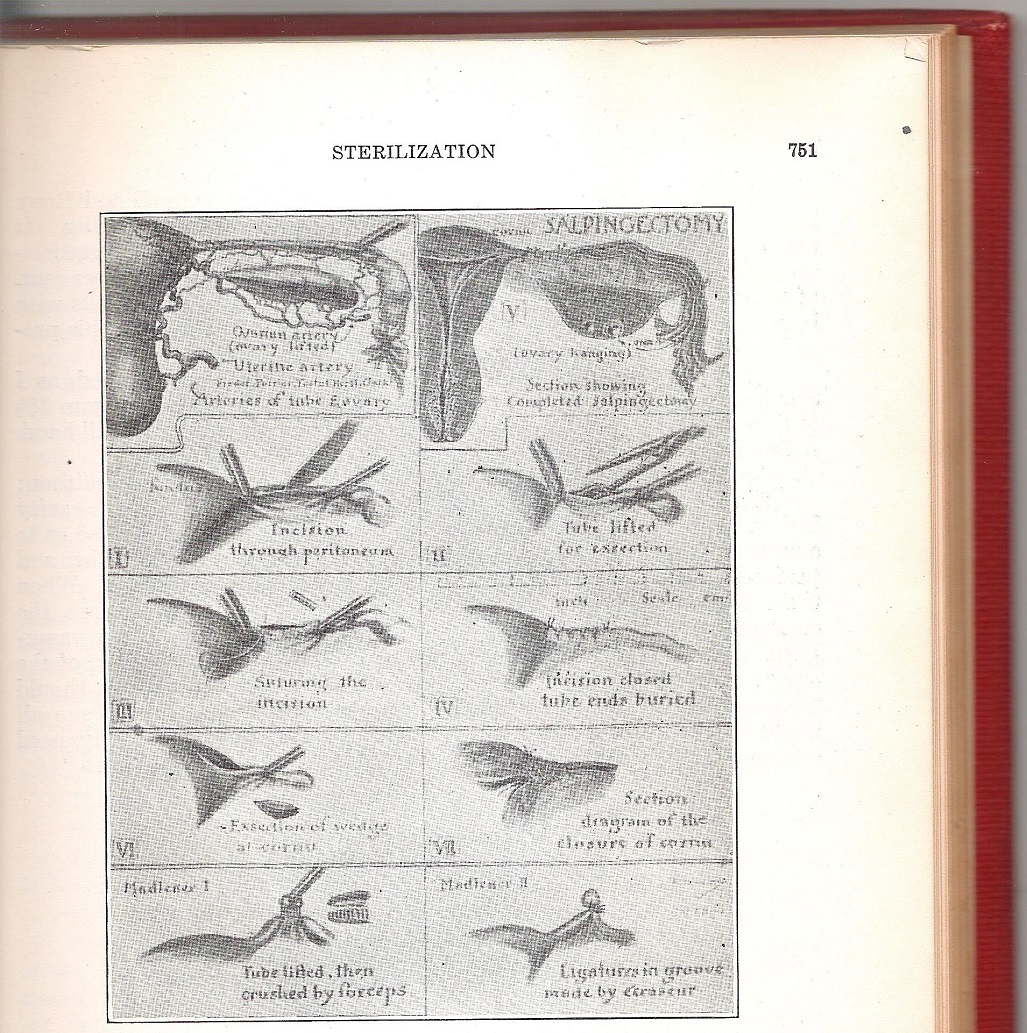
Tubal ligation or female sterilization today is done surgically using coagulation (burning the tubes) (pomeroy or modified pomeroy ligation, bipolar cauterization, or monopolar cauterization of the tubes), or by using a medical devise such as a clip (Filshie, Wolf, or Hulka clips), a silicone ring or band (Falope ring, Yoon ring, or Lay loop), or an Ova Bloc, Essure, or NovaSure Adiana type product to seal shut or block (obstruct) the fallopian tube. Other methods of sterilization performed today and historically includes bilateral salpingectomy (removal of both fallopian tubes), fimbriectomy (removing a portion of the fallopian tube closest to the ovary), hysterectomy (removal of the uterus), and using chemicals such as Atabrine or Mepacrine (also called quinacrine) which are place into the uterus in pellet form then dissolve and scar the fallopian tubes causing the tubes to seal shut.
 All forms of female sterilization have known and potential negative side effects which legally and ethically women need to be informed of prior to consenting to sterilization. All forms of female sterilization have known and potential negative side effects which legally and ethically women need to be informed of prior to consenting to sterilization.
Women are commonly informed of the negative psychological effects, known as “tubal regret”, but are not informed of the known and possible negative physical effects. For example, women are not informed that tubal ligation can physically cause andomyosis that manifests as dysfunctional uterine bleeding (DUB), pelvic congestion syndrome, or that the sterilization procedure can affect the blood supply to the ovaries causing anovulation (ovaries failing to normally function or to ovulate). Medical devices used to achieve sterilization such as the clips and essure type produces are made with polyesters, silicone and nickel-titanium metal alloy materials which for some women can aggravate or create sensitivities, allergies, Silicone Immune Toxicity Syndrome, Systemic nickel allergy syndrome, a Titanium allergy, and more. What women are told is that sterilization will have no effect upon them physically, will not effect their hormones, and the materials in the medical devices are inert and safe.
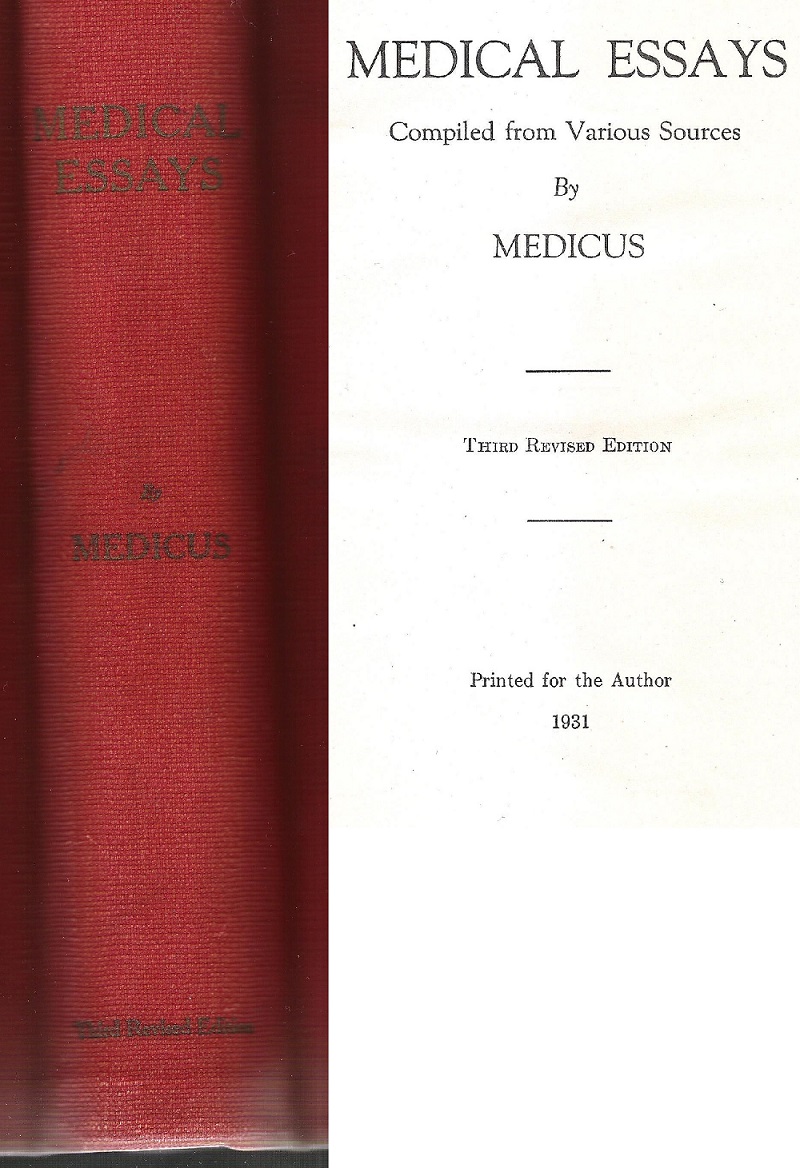
Negative physical side effects of female sterilization have been known by medical professionals since the 1930’s but publicly the information was withheld from women and the masses (possibly because of the social nature of the procedure).

The 1st MD to come forth and fully expose and document female surgical abuses in the Unites States was Dr. Vicki Hufnagel, an OBGYN. In the 80’s, Hufnagel defined and reported on post tubal ligation syndrome (PTLS) to peer review medical associations and wrote the first papers describing a need to change the informed consent to inform women about this condition.
Dr. Hufnagel’s clinical work has linked PTS, PTLS, and PSS with:
- Castrative Menopause
- Severe Hormone Imbalance
- *Ovarian Isolation (Post Hysterectomy, Post Tubal Ligation)
- Atrophic Ovaries
- *Hormone Shock
- Increased Risk of Heart Disease
- Bone Loss and Osteoporosis
- Dysfunctional Uterine Bleeding (DUB)
- Pelvic Congestive Syndrome (pelvic pain)
- PMS
- Endometriosis
- Adenomyosis
- Severe Pelvic Adhesions
- Misplacement of Female Organs
- Decreased Lactating Ability
- Silicone Immune Toxicity Syndrome
- Systemic nickel allergy syndrome
- Titanium allergies
- Chronic Fatigue Syndrome
* Terms coined by Dr. Hufnagel. See below.
 She authored "Hysterectomies in the United States, 1965-1984, Vital & Health Statistics; U.S. Department of Health and Human Services, December 1987" and provided testimony before the U.S. Congress. When the document was originally written it contained information about tubal ligation, post tubal syndrome, and how tubal ligations effected the rate of hysterectomies. The document was edited to not include information about tubal ligation. Dr. Hufnagel explains, "I was told this information (about tubal ligation) could not and would not be made public". She went on to disclose information about negative effects of tubal ligation in her book, "No More Hysterectomies". She authored "Hysterectomies in the United States, 1965-1984, Vital & Health Statistics; U.S. Department of Health and Human Services, December 1987" and provided testimony before the U.S. Congress. When the document was originally written it contained information about tubal ligation, post tubal syndrome, and how tubal ligations effected the rate of hysterectomies. The document was edited to not include information about tubal ligation. Dr. Hufnagel explains, "I was told this information (about tubal ligation) could not and would not be made public". She went on to disclose information about negative effects of tubal ligation in her book, "No More Hysterectomies".
 Dr. Hufnagel founded the Institute for Reproductive Health (IRH) as an educational resource and legislature center. Through the IRH, Dr. Hufnagel worked with California Senator Diane Watson (now Congresswoman Watson) (retired) and other dignitaries for the successful passage of the nation's first informed consent law, Senate Bill 835. Known as "Informed Consent to Hysterectomy", this law and subsequent laws makes it mandatory for physicians in the states of California, New York, and Texas to fully inform women on the complications of, and alternatives and options to, hysterectomy. The picture shown here is the personal note written to Dr. Hufnagel after the bill became law from Senator Watson. See: Texas California New York Dr. Hufnagel founded the Institute for Reproductive Health (IRH) as an educational resource and legislature center. Through the IRH, Dr. Hufnagel worked with California Senator Diane Watson (now Congresswoman Watson) (retired) and other dignitaries for the successful passage of the nation's first informed consent law, Senate Bill 835. Known as "Informed Consent to Hysterectomy", this law and subsequent laws makes it mandatory for physicians in the states of California, New York, and Texas to fully inform women on the complications of, and alternatives and options to, hysterectomy. The picture shown here is the personal note written to Dr. Hufnagel after the bill became law from Senator Watson. See: Texas California New York
In 1998 Susan Bucher created the CPTwomen under the direction of Dr. Hufnagel and put in place the first web site(s) (http://members.tripod.com/sterilization_rights and tubal.org) that explained post tubal syndrome the need for proper informed consent laws to be put in place. Prior to this time there was NO information on the web or presented to the public about negative side effects of tubal ligation.
Dr. Hufnagel’s whistle-blowing actions of advocating for women’s health rights, advocating for and creating informed consent laws, and exposing information about post tubal ligation syndrome (and exposing other abuses in women’s care) has caused her to be targeted by her peers. The attacks upon her continue to this day and are ongoing. Books have been written and movies made that detail the abuses that occur to whistleblowers. Examples include "The Insider", "Silkwood" and “Erin Brockovich”. Whistleblowers are often harassed, threatened, victimized, and fired from their employment. The abuses that Dr. Hufnagel has faced for blowing the whistle on the American College of Obstetricians and Gynecologists and her obgyn peers for their routine practice of performing unnecessary hysterectomies and withholding information regarding side effects of tubal ligation have been no different.
Historically, in the early 20th century in US, an “eugenic movement” came be. Eugenics could be described as being a scientific study to create a better race which politically held much interest for the US and other governments. Here eugenics is described as, “the study of or belief in the possibility of improving the qualities of the human species or a human population, especially by such means as discouraging reproduction (via sterilization) by persons having genetic defects or presumed to have inheritable undesirable traits (negative eugenics) or encouraging reproduction by persons presumed to have inheritable desirable traits (positive eugenics).
More then 30 states had implemented official policies in which forced sterilizations were routinely ordered and performed. In total, it is estimated that nearly 70,000 Americans were sterilized by "state order" (the CPTwomen believe this number is higher). The sterilizations were done in the name of eugenics and population control, and the victims were nearly 100% women. Recently North Carolina made the declaration that the last of their eugenic programs were halted in 1974. Oregon reports that the last of their sterilization programs was discontinued in 1981.
While state ran eugenic programs may have stated that they ended their programs by the 1980's, in the late 70's the US government implemented the USA MSSM 200 policy to control the world's population. Under this new federal policy, the common past procedure of not providing full information and true informed consent to women undergoing tubal ligation continued, and continues on to this day.
Click here for more information about Eugenics history, North Carolina, and Oregon history.
It is believed that women in the US today (in the year 2014) give consent when undergoing tubal ligation surgery. When it is learned that information is withheld about negative physical and hormonal side effects known by the medical community as post tubal syndrome (PTS) it becomes evident and clear that consent is given under false pretenses. "Withholding information constitutes forced (fraudulent) consent", explains Susan Bucher of the Coalition for Post Tubal Women (CPTwomen). "Women today when learning how they were forcibly sterilized by having information withheld to them do not always equate this to having been a victim of fraud or physical assaulted because they were not carried away forcibly to the operating table. Women in the US are lead to the operating table with a blindfold on. I myself became a victim of forced sterilization in 1995 when information was withheld from me and it’s still occurring today. Look at what currently happened in California. Governor Jerry Brown recently this year (Sep 26, 2014) signed legislation that will prohibit California prisons from forcing women to be sterilized for birth control. The abuses are real and the assaults to women is going.”
The CPTwomen receives thousands of reports monthly from women who were not informed of the risks of tubal ligation. Reports of documents being presented for signature while women are in labor or surgery is not uncommon. One such account is what occurred to Barbara O, of Texas in 2003. "During my labor I was told I needed an emergency c-section, that we had to hurry and that I would be taken to the surgical room after I signed c-section release paperwork. The pace in the room immediately picked up. I was scared and on narcotic medications. The nurse came in and pointed to where I was to sign. I was not given time and was not in my right mind to review the documents that I was signing. Afterwards I learned that I signed an authorization for tubal ligation. Not only was I not informed about the risks of tubal ligation, I was not informed that I was consenting to or authorizing a tubal ligation". Other abuses include women not being told or informed that surgical devices (clips) were inserted.
Today a draft of an informed consent bill titled the "Modernization Act for Informed Consent for Tubal Ligation and Fallopian Tube Devices" is presented at http://www.tubal.org along with an open letter to all lawmakers. The Coalition asks the public to contact their state representatives and request that they sponsor and endorse the bill and to contact California Governor Jerry Brown to investigate the past abuses that Dr. Hufnagel has endured for whistle blowing.
CPTwomen Definitions and Terms
Post Tubal Ligation Syndrome: Iatrogenesis effect that create negative health conditions after a tubal ligation or female sterilization surgery. Can be physical and or hormonal in nature.
Iatrogenesis: A Greek word which means "doctor-caused" or "doctor produced". It is a medical term meaning harm done by doctors, or negative side effect(s) caused by a medical treatment or procedure. The negative side effect(s) can be due to error, negligence, or can be caused by the standard protocol of the treatment.
Iatroepidemic: An epidemic of bad outcomes or negative side effects caused by doctors and their medical treatment(s) and procedures. Examples of iatroepidemics include Diethylstilbestrol (DES), and Post Tubal Ligation Syndrome (PTLS or PTS) or Post Sterilization Syndrome (PSS).
Adenomyosis: A common iatrogenesis condition of tubal ligation. Causes dysfunctional uterine bleeding (DUB) and pain.
Ovarian Isolation: Occurs when an ovary is surgically isolated or removed from its blood supply. The isolated ovary becomes atrophic and nonfunctional.
Hormone Shock: Sudden loss or abrupt change of hormones triggering physical shock and manifesting with shock related symptoms.
Oophorectomy: Female castration (removal of the ovaries)
Eugenics: Science theory and political policy that aims to improve the human race or to control the population numbers of a segment of a community by controlling which people reproduce. Primarily uses sterilization of women as their tool.
Dr. Hufnagel coined and described the condition of "Ovarian Isolation" and “Hormone Shock”. 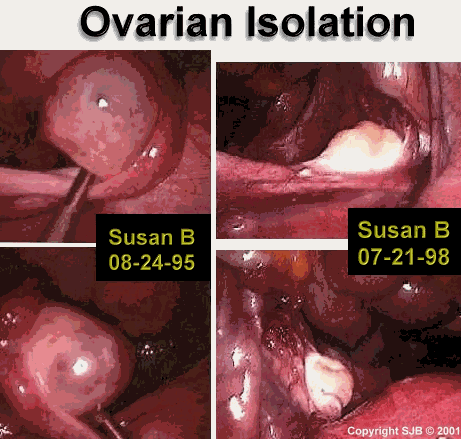
Ovarian isolation occurs when an ovary is surgically isolated/removed from its blood supply. The isolated ovary becomes atrophic and nonfunctional. Ovarian isolation commonly occurs after hysterectomy when the ovaries are left in place. Today women are usually informed at the time of hysterectomy that if their ovaries are left in place they may fail. Ovarian isolation can occur after tubal ligation but women are not informed of this risk.
The surgical removal or isolation of both the ovaries causes a "surgical menopause", aka "female castration" or also known as “oophorectomy”. If both ovaries become non-functional due to ovarian isolation in a pre-menopausal woman as part an operation, the sudden loss of estrogen will trigger an abrupt premature menopause and “hormone shock” that may involve severe symptoms of hot flashes, chills, vaginal dryness, painful intercourse, loss of sex drive, and heart palpation's.
The sudden loss/stoppage of estrogen, hormones, and resulting hormone shock can affect brain function. Confusion, rage, depression, and memory loss that can mimic an alzheimer's type state can manifest. In addition to these symptoms, women who lose both ovaries, or lose the function of their ovaries also lose the protection these hormones provide against heart disease and osteoporosis many years earlier than if they had experienced natural menopause.
Women who have had their ovaries removed or rendered nonfunctional due to ovarian isolation are seven times more likely to develop coronary heart disease and much more likely to develop bone problems at an early age than are pre-menopausal women whose ovaries are intact and functioning. The loss of hormones can be equal to and even more damaging with its long term outcome as post tubal syndromes immediate effects of dysfunctional uterine bleeding disorders (DUB) and other sudden symptoms.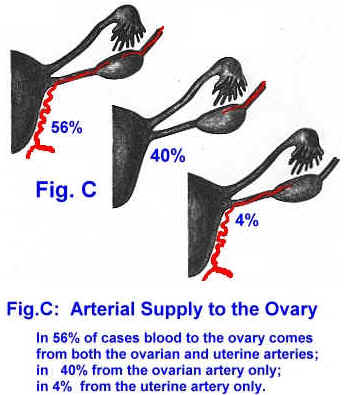
Women are commonly given misinformation that their ovaries will continue to function as normal after a hysterectomy or a tubal ligation. It is true that for some women their ovaries will continue to function as before, but for many causes one or both ovaries will fail due to the blood supply being affected by the ovaries becoming isolated from their blood supply.
Post tubal women are often wrongly told that menopause, ovarian isolation, or the ovaries being affected by lack of blood supply is impossible because the ovaries have 2 sources of blood supply. As you can see in the diagram, just a little more then 1/2 of all women have two sources of blood supply to her ovaries. The other 1/2 have only one source of blood supply to their ovaries.
Women are also commonly misinformed that if one ovary is removed that the remaining ovary will make up for the loss of the other. This is not true. If one ovary is removed, or becomes non-functional due to ovarian isolation, a hormonal imbalance will occur. The remaining ovary does not begin to make twice as much estrogen as before, and the remaining ovary does not begin to release twice as many eggs as before. The loss of one ovary does impact hormone levels.
|